On this page
- What is ashwagandha?
- Does ashwagandha help you build muscle and strength?
- Does it actually lower stress and improve sleep?
- Does ashwagandha increase testosterone?
- What the evidence does NOT show
- How much ashwagandha do studies use?
- Is ashwagandha safe? Side effects and who should avoid it
- Ashwagandha vs creatine: which is worth it?
- How to buy ashwagandha safely in India
- The honest verdict
- FAQs
Ashwagandha has gone from the Ayurvedic shelf to one of the most-bought gym supplements in India, sold for strength, testosterone, recovery and stress. Some of that has real research behind it. Some of it is marketing stretched far past the data. Here's what the human trials actually show, what they don't, and what to check before you buy.
What is ashwagandha?
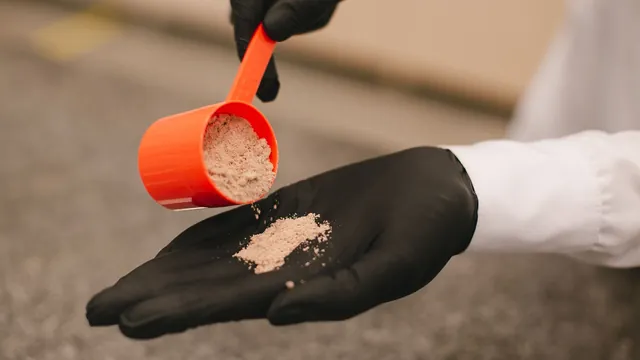
Ashwagandha (Withania somnifera) is a shrub whose root has been used in Ayurveda for centuries as a rasayana, a rejuvenating tonic. Traditionally the root powder is taken with warm milk, often at night. Modern supplements are usually an extract rather than plain powder.
Three things matter when you read a label:
- Root vs leaf: most research uses root extract. Some products use root and leaf together. Leaves contain more of certain reactive compounds, which is why India now restricts them (more on that below).
- Withanolides: these are the active compounds most studied. Good extracts are standardised to a stated withanolide percentage, for example 2.5% or 5%, so you know roughly what each capsule delivers.
- Extract vs powder: a 300 mg standardised extract is not the same as 300 mg of raw root powder. Doses from studies only apply to the form that was studied.
It's classed as an adaptogen, a herb said to help the body handle stress, and unlike most "herbal boosters" it has real clinical trials behind it.
Does ashwagandha help you build muscle and strength?
Two trials get quoted the most.
- Wankhede and colleagues, 2015: 57 young men new to lifting did 8 weeks of resistance training while taking either 300 mg of root extract twice a day or a placebo. The ashwagandha group gained more on bench press (about 46 kg vs 26 kg) and leg extension (14.5 kg vs 9.8 kg), with larger increases in arm and chest size and a bigger drop in body fat.
- Ziegenfuss and colleagues, 2018: 38 recreationally active men followed a 4-day upper/lower program for 12 weeks with 500 mg a day of a root-and-leaf extract or placebo. Squat 1RM rose by about 19 kg vs 10 kg, and bench press by about 13 kg vs 8 kg.
Here's the honest context. Both trials were small, short and used branded extracts. Beginners make big jumps in the first few months anyway, so small groups can exaggerate differences. A 2026 meta-analysis of 13 trials in Nutrients found an overall benefit for exercise performance, but the clearest effect was for aerobic endurance. For strength, the effect was positive but uncertain.
Fair summary: ashwagandha may add a little on top of good training. It does not replace progressive overload, enough protein, or sleep.
Does it actually lower stress and improve sleep?
This is where the evidence is strongest. According to the US National Institutes of Health Office of Dietary Supplements (NIH ODS), several clinical trials found ashwagandha extracts reduced stress and anxiety scores and lowered serum cortisol compared with placebo. A smaller number of studies found better sleep quality, faster sleep onset and longer total sleep, with bigger benefits in people with insomnia.
Why should a lifter care? Poor sleep and high stress hurt recovery, appetite control and training quality. If you're a student before exams or working long shifts and sleeping five hours, better sleep may do more for your gains than any direct "muscle" effect. Cortisol is also linked to stubborn belly fat, although no supplement is a fat-loss tool on its own.
Does ashwagandha increase testosterone?
Sometimes, by a small amount, in specific groups. That's the careful answer.
- In the 2015 trial above, testosterone rose more in the ashwagandha group, but those were men with little lifting experience, and testosterone wasn't the main thing the study was designed to measure.
- A 2019 trial in overweight men aged 40 to 70 with mild fatigue found about a 15% greater rise in testosterone than placebo, but no difference in fatigue, vigour or sexual well-being.
- Other studies showing increases often involve men with fertility problems or high stress, not healthy young lifters.
So a small bump on a blood report is possible. A noticeable change in muscle, energy or libido is not well supported. If you suspect low testosterone, get tested and see a doctor instead of self-treating with supplements.
What the evidence does NOT show
- It does not build muscle without training.
- It is not a proven fat burner.
- It has not been shown to work like creatine for strength in trained lifters.
- There is little long-term data. Most trials ran 8 to 12 weeks.
- Most trials are small, many tested one company's branded extract, and women and older adults are under-studied.
How much ashwagandha do studies use?
You'll see a range, but the most common pattern in studies is:
- 300 to 600 mg a day of standardised root extract, often split into two doses.
- Trials typically ran 8 to 12 weeks.
- The strength trials used 600 mg a day of root extract (Wankhede) and 500 mg a day of a root-and-leaf extract (Ziegenfuss).
These are numbers studies used, not a prescription. Follow the label, don't stack several ashwagandha products, and don't assume more is better. Higher doses don't have better evidence, and less is known about their safety.
Is ashwagandha safe? Side effects and who should avoid it
Most people in short trials had no serious problems. The common side effects are mild: stomach upset, loose stools, nausea and drowsiness. But "herbal" doesn't mean risk-free.
- Liver injury (rare): a 2020 case series described five people who developed jaundice 2 to 12 weeks after starting ashwagandha supplements. None developed liver failure and most recovered within months, but more cases have been reported since. Stop and see a doctor if you notice yellow eyes, dark urine, severe itching or abdominal pain.
- Regulatory warnings abroad: according to NIH ODS, Denmark banned ashwagandha in 2023 after a risk assessment, and France's food safety agency advised against its use in certain groups in 2024.
- Pregnancy and breastfeeding: avoid it. Some reports suggest it may increase the risk of miscarriage.
- Thyroid: it may raise thyroid hormone levels, and cases of an overactive thyroid have been reported. If you take thyroid medicine or have a thyroid condition, talk to your doctor first.
- Autoimmune conditions and medicines: experts advise caution if you have an autoimmune condition, and NIH ODS notes it may interact with immunosuppressants, sedatives, diabetes medicines and blood pressure medicines.
If any of these apply to you, you have liver disease, or you're under 18, talk to your doctor first.
Ashwagandha vs creatine: which is worth it?
If you're deciding where to spend money, rank them by evidence:
- Creatine monohydrate: hundreds of studies, a reliable effect on strength and lean mass during training, cheap, and well tolerated in healthy people.
- Protein from food first: hitting your daily protein target with dal, paneer, eggs, curd or chicken. The Indian food database helps you compare options.
- Ashwagandha: a reasonable tier-two option if stress and poor sleep are your real problem, with a possible small bonus for performance.
Creatine is the one that does the measurable work in the gym.
How to buy ashwagandha safely in India
The same quality problems that hit protein powders in India apply to herbal supplements. Use this checklist (no brand names, on purpose):
- Root only. In April 2026, the Ministry of Ayush directed that only ashwagandha root may be used in Ayush products, banning leaves in any form, and FSSAI issued an advisory on the same rule. A label saying "leaf", "whole plant" or not naming the plant part is a red flag.
- Check the licence. Ayurvedic products carry an Ayush manufacturing licence number. Health supplements carry an FSSAI licence number. Either is a minimum requirement, not a quality guarantee.
- Standardisation stated clearly: extract amount per capsule and withanolide percentage.
- Third-party lab reports: ask for a recent batch-wise report covering withanolide content plus heavy metals and microbes, ideally from an independent NABL-accredited lab.
- Single-ingredient products: avoid "testosterone booster" blends that hide doses or add other herbs.
- Buy from official stores or authorised sellers, and be wary of prices far below everyone else.
The honest verdict
Ashwagandha is one of the few herbal gym supplements with real human research behind it. Its best case is for stress and sleep, with modest and uncertain extras for strength and testosterone. If you're stressed and sleeping badly, and your doctor is fine with it, it may help you recover and train better. If you want a shortcut to muscle, spend the money on food and stick to a plan.
Nail the fundamentals first: learn good form in the free exercise library, add some Zone 2 cardio for recovery and heart health, and progress your lifts week by week. If you want a coach to build that around your schedule, food and budget, our coaching plans are built for it.
Frequently asked questions
Does ashwagandha increase muscle mass?
Two small trials found slightly greater gains in strength and muscle size when ashwagandha was combined with resistance training. Recent meta-analyses rate the strength effect as positive but uncertain. It will not build muscle on its own, and training, protein and sleep matter far more.
Does ashwagandha increase testosterone in men?
Some trials found small increases, mostly in older overweight men, stressed men or men with fertility problems. The rises were modest and didn't clearly translate into more energy or libido. If you suspect low testosterone, get a blood test and see a doctor.
What are the side effects of ashwagandha?
The common ones are mild: stomach upset, loose stools, nausea and drowsiness. Rare cases of liver injury and thyroid problems have been reported. It is not recommended in pregnancy, and you should talk to your doctor first if you have a thyroid, liver or autoimmune condition or take regular medicines.
Can I take ashwagandha with milk?
Yes. Taking the root powder with warm milk is the traditional Ayurvedic way, often at night. Studies mostly used capsules of standardised extract, so milk is a matter of preference, not a requirement.
Can I take ashwagandha and creatine together?
There is no known problem with taking both if you're a healthy adult. They work in different ways: creatine supports strength and training volume, while ashwagandha's best evidence is for stress and sleep. If you take regular medicines, check with your doctor first.