On this page
- What are soya chunks, exactly?
- Why are soya chunks called India's cheapest protein?
- Is soya protein good quality?
- Are soya chunks good for muscle gain?
- Are soya chunks good for weight loss?
- Does soya lower testosterone or cause man boobs?
- Is soya safe for your thyroid and uric acid?
- How much soya chunks can you eat per day?
- What are the side effects of soya chunks?
- How do you cook soya chunks so they taste good?
- Common soya chunk mistakes
- FAQs
If you are vegetarian and chasing a protein target on a tight budget, soya chunks are the food to know. One cooked cup gives more protein than 100g of paneer for about a quarter of the price. They also carry myths, mostly about testosterone and "man boobs", that put many men off.
Below: the real numbers, what research says about the myths, how much to eat, and how to make soya taste good. All food numbers come from our Indian food database.
What are soya chunks, exactly?
Soya chunks (also sold as soya nuggets or soya badi) are textured soy protein. Soybeans are pressed to remove the oil, and the leftover defatted soy flour is extruded into dry, spongy pieces. That is why they are so high in protein and low in fat.
Per 100g dry: USDA FoodData Central lists defatted soy flour, the raw material for chunks, at 51.5g protein and 327 calories per 100g. Packets vary a little by brand, so check the label on yours.
Per serving, as you eat it: our database uses one cup cooked, made from 50g dry chunks:
- Soya chunks, 1 cup cooked (50g dry): 26g protein, 170 calories, 12g carbs, 1g fat, about ₹13.
- Soya chunk curry, 1 bowl (200g): 28g protein, 220 calories, 16g carbs, 5g fat, about ₹25.
Always weigh soya dry. "One bowl of cooked soya" can mean very different amounts depending on how much you started with.
Why are soya chunks called India's cheapest protein?
Because on the numbers, nothing else comes close. Here is soya next to paneer, the vegetarian protein most people reach for first:
- Soya chunks (1 cup cooked): 26g protein, 170 calories, ₹13. 20g protein per ₹10, 15g per 100 calories.
- Soya chunk curry (1 bowl): 28g protein, 220 calories, ₹25. 11.2g per ₹10, 12.7g per 100 calories.
- Paneer (100g raw): 18g protein, 260 calories, ₹50. 3.6g per ₹10, 6.9g per 100 calories.
To get the same 26g of protein from paneer, you would eat about 145g, which costs around ₹72 and brings roughly 375 calories, most of the extra from fat. Paneer is a good food, just expensive protein. See our paneer guide for how to fit it in. Soya works out to about 50 paise per gram.
That is why soya is the base of every vegetarian day in our high-protein Indian diet on a budget guide.
Is soya protein good quality?
Yes, with one caveat. Soy is one of the few plant foods that contains all the essential amino acids in useful amounts, which is why it is often called a complete protein.
A 2022 quantitative review of soy protein quality found that most soy products score high on the two standard protein quality measures (PDCAAS and DIAAS). Scores varied with processing, and textured soy had fewer and more variable measurements than soy protein isolate.
The easy fix: eat soya with rice or roti, which covers small gaps the same way dal-chawal does.
Are soya chunks good for muscle gain?
Yes. Muscle growth needs enough total protein across the day plus training that gets progressively harder. Soya helps with the first part, cheaply.
The evidence on soy versus animal protein is reassuring. A 2018 meta-analysis of nine resistance-training studies found no difference in strength or lean mass gains between people supplementing with soy protein and those using whey or other animal proteins. Those studies used soy powder, not chunks, but it is the same protein. We covered this comparison in more detail in protein without whey.
Over weeks of training, total daily protein matters far more than the source. Our protein per day guide shows how much you need for your weight.
If you struggle to eat enough, pair soya with rice, rotis and dal. Our guide on building muscle as a skinny guy covers the calorie side.
Are soya chunks good for weight loss?
Yes. At 15g of protein per 100 calories, soya is one of the leanest budget proteins, and high-protein meals tend to keep you fuller. The catch is the gravy: an oily soya curry with three rotis is a big meal, while a dry soya sabzi with one roti and salad is a light one.
Does soya lower testosterone or cause man boobs?
This is the myth that stops most men, so here is what the research actually shows.
The worry: soybeans contain isoflavones, plant compounds that are structurally similar to estrogen. A few animal studies and case reports led to fears that soy would lower testosterone, raise estrogen and cause breast tissue growth (gynecomastia) in men.
The evidence: a 2021 meta-analysis in Reproductive Toxicology pooled 41 clinical studies in men. It found no significant effect of soy protein or isoflavone intake on total testosterone, free testosterone, estradiol, estrone or sex hormone-binding globulin. Splitting the data by isoflavone dose or study length did not change that. It updated an earlier 2010 meta-analysis that reached the same conclusion.
What this means for you: a normal serving of soya as part of a regular Indian diet is not going to change your hormones. "Contains a plant estrogen" does not mean "acts like estrogen". If you have a hormone-related medical condition or notice unusual changes, talk to your doctor.
Is soya safe for your thyroid and uric acid?
Thyroid: a 2006 review of 14 trials in Thyroid found little evidence that soy foods or isoflavones harm thyroid function in healthy people who get enough iodine (iodised salt covers most Indians). The same review notes that if you take thyroid medication, soy foods may affect how much of your tablet you absorb. Keep a gap between your tablet and soya meals and tell your doctor about your soya intake; they may want to recheck your levels after a big change.
Uric acid and gout: soy contains purines. If you have gout or high uric acid, ask your doctor how much soya fits your diet.
How much soya chunks can you eat per day?
There is no official upper limit for soya chunks, so treat these as practical guidance, not medical rules:
- Typical serving: 30 to 50g dry a day. 50g dry gives 26g protein; 30g dry gives roughly 15g.
- Spread it out: one serving at lunch or dinner works better than a huge bowl once in a while.
- Keep variety: let soya be one anchor among several. Rotate with dal, eggs, paneer, curd, chana and sattu instead of eating 150g of soya a day to hit your target in one go.
ICMR-NIN's 2024 dietary guidelines recommend combining cereals and pulses for better protein quality, and soya fits that pattern well with rice or roti. For a full day built around soya at around ₹150, see the sample plans in our budget high-protein diet guide. Living in a hostel? Our hostel diet plan for muscle gain shows how to add soya to mess food.
What are the side effects of soya chunks?
Gas and bloating. The most common complaint, especially if you go from zero to a big bowl overnight. Soya is high in fibre and certain carbs that gut bacteria ferment. Fixes:
- Boil chunks well and squeeze out the water, then rinse once more.
- Start with 25 to 30g dry a day for a week, then increase.
Allergy. Soy is one of the major food allergens. It is most common in infants and young children, many of whom outgrow it, but adults can be allergic too. If you get hives, itching, swelling or breathing trouble after soy, stop and see a doctor.
How do you cook soya chunks so they taste good?
Bad soya tastes like wet cardboard. Good soya tastes like its masala. The method:
- Boil: add dry chunks to boiling salted water and cook for 5 to 7 minutes until soft.
- Rinse: drain and rinse in cold water.
- Squeeze: press out every bit of water with your hands. This removes the raw smell and turns each chunk into a sponge for masala.
- Cook: use the same onion-tomato masala you would use for chicken.
Four easy ways to eat it:
- Soya curry: squeezed chunks simmered in onion-tomato gravy. One bowl of soya chunk curry with 3 rotis gives 37g protein, 535 calories, about ₹40.
- Soya pulao: add squeezed chunks to rice with whole spices and peas. One cup soya with one bowl of rice gives 30g protein, 370 calories, about ₹23.
- Soya bhurji: pulse boiled chunks in a mixer until crumbly, then cook like paneer bhurji with onion, tomato, green chilli and haldi. Great inside a roti roll.
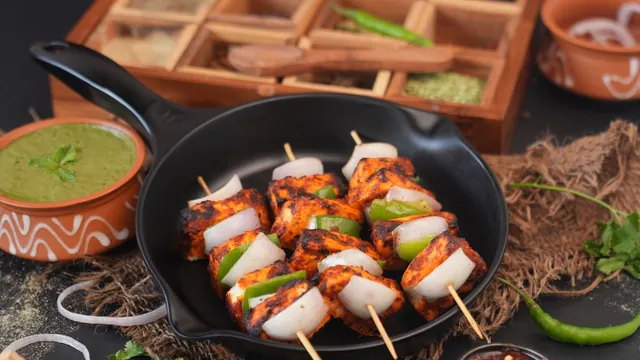
- Soya tikka: marinate squeezed chunks in thick curd, ginger-garlic and tikka masala, then roast in a pan or air fryer until the edges char.
Batch tip: boil and squeeze a batch, refrigerate it, and use it within two to three days.
Common soya chunk mistakes
- Not squeezing. Soggy chunks stay bland and smell raw.
- Guessing portions. "Some soya in the pulao" might be 15g dry, which is about 8g protein, not 26g. Weigh dry once to learn your usual portion.
- Drowning it in oil. Soya soaks up oil as well as masala.
- Eating only soya. It is your cheapest anchor, not your only protein.
- Skipping it over the testosterone myth. The evidence says normal intake does not affect male hormones.
For more cheap options to rotate with soya, see our list of cheap high-protein foods in India or compare anything in the food database. If you want a coach to build your week around soya, dal and whatever your mess or kitchen serves, with check-ins on WhatsApp, that is what our coaching does.
Frequently asked questions
How much protein is in 50g of soya chunks?
About 26g of protein, with 170 calories, once cooked into roughly one cup, per our food database. That costs around ₹13, which makes soya chunks the best protein value of all 87 foods we track.
Can I eat soya chunks every day?
For most healthy adults, a daily serving of 30 to 50g dry fits well within a varied diet. Rotate it with dal, eggs, paneer and curd rather than relying on soya alone. If you have a thyroid condition, gout or a soy allergy, check with your doctor first.
Does soya reduce testosterone?
The best current evidence says no. A 2021 meta-analysis of 41 clinical studies found no significant effect of soy protein or isoflavones on testosterone, free testosterone or estrogen in men, regardless of dose or study length.
Are soya chunks good for muscle gain?
Yes. They are high in protein, and a 2018 meta-analysis found soy protein produced similar strength and muscle gains to whey and animal protein in people doing resistance training. Pair soya with rice or roti and enough total calories.
What are the side effects of soya chunks?
The most common is gas or bloating, which usually settles if you boil and squeeze the chunks well and increase your portion gradually. Soy is also a common allergen. Anyone on thyroid medication should keep a gap between the tablet and soya meals and tell their doctor.