On this page
- Which Indian street food has the most protein?
- Popular street food that is low in protein
- How do you make street food higher in protein?
- Best veg and non-veg street food for protein
- Is street food safe to eat regularly?
- How often can you eat street food on a gym diet?
- Common street food mistakes gym-goers make
- FAQs
Most Indian street food is built on carbs and oil: pav, potato, maida, besan batter and a kadhai of hot oil. That is why it tastes so good, and why it rarely fills your protein target. But a few street orders are genuinely protein-rich, and many popular ones can be fixed with one smart side.
Below: the best street orders ranked by protein, the popular snacks that look filling but give little protein, simple upgrades with the math done, and how often street food fits a muscle-gain or fat-loss plan. All food numbers come from our Indian food database. Prices are our database estimates; your local stall may charge more or less.
Which Indian street food has the most protein?
Here are the best street and snack-counter orders from our database, ranked by protein per serving. The bold number at the end is protein per 100 calories, which tells you how "lean" the protein is.
- Tandoori chicken (2 leg pieces, 200g): 30g protein, 260 calories, about ₹100. 11.5g per 100 calories.
- Chicken tikka (6 pieces, 150g): 28g protein, 200 calories, about ₹90. 14g per 100 calories, the leanest item on this list.
- Keema pav (1 plate): 22g protein, 380 calories, about ₹80. 5.8g per 100 calories.
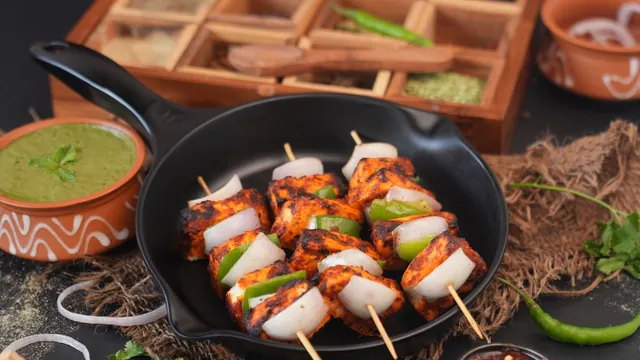
- Paneer tikka (6 pieces, 120g paneer): 18g protein, 280 calories, about ₹70. 6.4g per 100 calories. The best veg protein you'll find at a typical tikka counter, though 20g of fat comes with it.
- Egg bhurji (2 eggs): 14g protein, 220 calories, about ₹22. 6.4g per 100 calories. Our number is for the bhurji only; the pav you eat with it adds carbs and calories, not much protein.
- Omelette (2 eggs): 13g protein, 190 calories, about ₹17. 6.8g per 100 calories.
- Pesarattu (1 moong dosa): 12g protein, 180 calories, about ₹30. 6.7g per 100 calories.
- Sattu drink (1 glass, 60g sattu): 12g protein, 220 calories, about ₹10. 5.5g per 100 calories, and the cheapest protein here.
- Roasted chana (1 cup, 50g): 10g protein, 180 calories, about ₹15. 5.6g per 100 calories.
- Sprouts chaat (1 bowl, 150g): 8g protein, 140 calories, about ₹20. 5.7g per 100 calories.
For protein per rupee, sattu, omelette, roasted chana and egg bhurji win. For protein per calorie, the tandoor wins by a mile.
Popular street food that is low in protein
None of these are "bad" foods. They just aren't protein foods, so don't count them as one.
- Vada pav (1 piece): 6g protein, 300 calories, 14g fat, about ₹20. 2g per 100 calories. It is a potato fritter in bread, so most of it is carbs and oil.
- Medu vada (2 pieces): 8g protein, 200 calories, 10g fat, about ₹25. 4g per 100 calories. Better than vada pav, because the batter is urad dal, but still deep-fried.
- Pav bhaji (1 plate, 2 pav): 10g protein, 400 calories, 16g fat, about ₹50. 2.5g per 100 calories. Butter-heavy stalls will be higher.
- Masala dosa: 6g protein, 280 calories. Plain dosa: 4g protein, 160 calories.
- Idli (2 pieces): 4g protein, 130 calories. Light and easy on the stomach, but not a protein meal.
- Sweet lassi (300ml): 6g protein, 200 calories, much of it sugar.
We don't have database values for samosa, pani puri, momos, kathi rolls, chole bhature, bhel or pakoda, so we won't guess numbers. In general terms: samosa, pakoda and chole bhature are fried and flour-heavy; pani puri and bhel are mostly carbs with little protein; steamed momos and egg or chicken rolls carry some protein, but how much depends on the filling, so treat them as a carb meal with a bit of protein.
How do you make street food higher in protein?
Keep the snack you love and add one protein item next to it. Here is the math for common orders.
Vada pav upgrades
2 vada pav: 12g protein, 600 calories, about ₹40.
1 vada pav + 1 bowl sprouts chaat: 14g protein, 440 calories, about ₹40. Same money, 2g more protein, 160 fewer calories.
1 vada pav + sprouts chaat + 1 glass chaas: 17g protein, 500 calories, about ₹50.
A sweet lassi with your vada pav brings it to 12g protein and 500 calories. That works, but chaas plus sprouts gets you more protein for the same calories.
Dosa and medu vada upgrades
Plain dosa + 2-egg omelette: 17g protein, 350 calories, about ₹42. Many stalls will also crack an egg onto the dosa itself.
Swap masala dosa for pesarattu: 12g protein instead of 6g, and 180 calories instead of 280.
2 medu vada + 2 boiled eggs: 20g protein, 340 calories, about ₹38.
Pav bhaji and tikka upgrades
Pav bhaji + 6 pieces paneer tikka: 28g protein, 680 calories, about ₹120. A big veg meal, so save it for a hungry training day.
Pav bhaji + 6 pieces chicken tikka: 38g protein, 600 calories, about ₹140.
6 pieces chicken tikka + 1 glass chaas: 31g protein, 260 calories, about ₹100. One of the best fat-loss street meals you can order.
Best veg and non-veg street food for protein
Vegetarian, highest protein first: paneer tikka (18g), pesarattu (12g), sattu drink (12g), roasted chana (10g), besan chilla (10g for 2), sprouts chaat (8g), medu vada (8g). Lighter Gujarati snacks like khandvi (6g, 120 calories) and dhokla (6g, 160 calories for 4 pieces) are reasonable, but they are snacks, not protein meals.
Eggs: egg bhurji (14g), omelette (13g), anda paratha (12g, 280 calories), boiled eggs (12g for 2). The anda bhurji or omelette stall is the most underrated protein spot on any Indian street.
Non-veg: tandoori chicken (30g), chicken tikka (28g), keema pav (22g). Egg fried rice gives 12g protein but 350 calories, so it is closer to a rice meal than a protein meal.
Vegetarians have a harder job, because most veg street protein comes with batter or oil. Pairing two items (paneer tikka with sprouts, or pesarattu with chaas) usually solves it. Our guide on protein without whey has more veg options.
Is street food safe to eat regularly?
Usually, yes, if you are a bit choosy. WHO's food safety guidance boils down to a few habits that apply to stalls too:
- Pick food cooked fresh and served hot. A tikka coming straight off the coals or an omelette made in front of you is a safer bet than something sitting out for hours.
- Watch raw and cooked food. Prefer stalls that keep raw meat away from cooked food and use clean utensils.
- Be careful with water and ice. Chutneys, pani and ice made with unclean water are a common problem. Choose sealed water when unsure.
- Busy stalls with fast turnover usually serve fresher food.
How often can you eat street food on a gym diet?
It depends on your goal, but for most people three to five street meals or snacks a week fit easily.
For muscle gain, street food helps you eat enough calories, which skinny gym-goers often struggle with. Just make sure each street meal has a real protein source, not only vada pav and chai. Spread your protein across the day; our protein per day guide shows how much you need.
For fat loss, choose the tandoor and the egg stall, and treat fried snacks as a planned treat. One vada pav is 300 calories and fits; three in an evening adds 900. Our guide to losing belly fat explains why your weekly calorie total matters more than any single snack.
ICMR-NIN's 2024 dietary guidelines recommend limiting foods high in fat, sugar and salt. Fried street snacks fall into that group, so treat them as occasional food, not daily meals. The same thinking applies to biryani nights, which we covered in is biryani good for gym.
For the cheap, everyday meals that make up the rest of your week, see our high-protein Indian diet on a budget.
Common street food mistakes gym-goers make
- Counting vada pav or samosa as a meal. You're hungry again in an hour, with little protein to show for it.
- Ordering two of the same fried snack. Swap the second one for sprouts chaat, an omelette or roasted chana.
- Calling paneer tikka "lean." It has 18g protein but also 20g fat. Great for protein, but not low-calorie.
- Forgetting the drink. A sweet lassi or cold drink with your snack adds calories fast. Chaas is the lighter choice.
- Skipping meals to "save" calories for street food. You usually end up overeating at the stall. Eat normally and plan the street meal in.
The simple rule: every time you eat on the street, ask where the protein is. If the answer is "the potato," add an egg, sprouts, chaas, chana or tikka.
To compare any of these with home food, check the Indian food calorie chart, and for full budget meal plans, read our high-protein Indian diet on a budget. If you'd like a coach to build your diet around the foods you actually eat, vada pav included, with daily check-ins on WhatsApp, that is what our coaching does.
Frequently asked questions
How much protein is in a vada pav?
About 6g of protein in one vada pav, with roughly 300 calories, 40g carbs and 14g fat, according to our food database. That makes it a carb-and-oil snack rather than a protein food. Add a bowl of sprouts chaat to bring the snack to 14g of protein.
Which Indian street food has the most protein?
Tandoori chicken (30g for 2 leg pieces) and chicken tikka (28g for 6 pieces) lead our list. Keema pav (22g) and paneer tikka (18g) come next. For vegetarians, paneer tikka, pesarattu and sattu are the strongest options.
Is vada pav good for gym-goers?
Occasionally, yes. One vada pav is 300 calories with only 6g of protein, so it does little for your protein target. Have one, not two, and pair it with sprouts chaat, chaas or eggs.
What is the best veg street food for protein?
Paneer tikka gives the most at 18g for 6 pieces. Pesarattu and a sattu drink each give 12g, roasted chana gives 10g, and sprouts chaat gives 8g for only 140 calories.
How many calories are in 2 medu vada?
About 200 calories for 2 medu vadas, with 8g protein, 20g carbs and 10g fat, per our database. Larger or oilier vadas will be higher. Add 2 boiled eggs to make it a 20g protein breakfast of about 340 calories.