On this page
- Roti vs rice: what do the numbers say?
- Is rice bad for weight loss?
- Is roti better than rice for weight loss?
- How many rotis should you eat to lose weight?
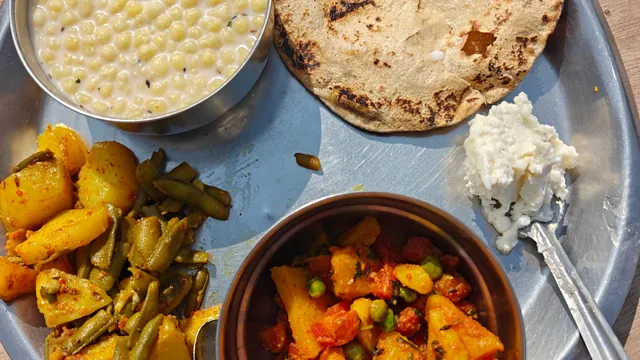
- What do roti and rice plates look like?
- Does eating rice at night make you fat?
- Is brown rice a magic fix?
- Should you skip carbs entirely?
- Putting it together
- FAQs
For weight loss, roti vs rice matters far less than you think. Two rotis and one bowl of cooked rice are almost the same in calories. What decides your result is how much you serve, what you eat with it, and your total calories across the day.
So eat the one you grew up with, North or South. You just need the portions. All food numbers below come from our Indian food database.
Roti vs rice: what do the numbers say?
- Chapati / roti, 1 roti (35g atta): 105 cal, 3g protein, 20g carbs, 1g fat, ₹5.
- Plain rice, 1 bowl (150g cooked): 200 cal, 4g protein, 45g carbs, 0.5g fat, ₹10.
So 2 rotis come to 210 calories, 6g protein, 40g carbs and ₹10, against 200 calories, 4g protein, 45g carbs and ₹10 for a bowl of rice. Nobody gains weight over a 10 calorie gap.
Where things change is the version you pick:
- Missi roti, 1: 140 cal, 6g protein. Thanks to the besan, two give you 12g protein, double two plain rotis.
- Plain paratha, 1: 180 cal, 7g fat. Two parathas are 360 calories, 150 more than two rotis, mostly from ghee or oil.
- Tandoori naan, 1: 260 cal. One naan beats two rotis on calories.
On the rice side, the dish matters just as much:
- Curd rice, 200g: 230 cal, 7g protein.
- Lemon rice, 200g: 220 cal, 4g protein.
- Khichdi, 200g: 220 cal, 9g protein. The dal more than doubles the protein of plain rice.
- Egg fried rice, 1 plate: 350 cal, 12g fat.
- Veg biryani, 300g: 350 cal, 10g fat.
Paratha, naan, fried rice and biryani are where extra calories hide. Our guide on whether biryani is good for the gym shows how to fit it in, and the Indian food calorie chart covers hundreds more foods.
Is rice bad for weight loss?
No. Eating more calories than you burn makes you gain fat, whether they come from rice, roti or anything else.
In the POUNDS Lost trial, 811 overweight adults followed four reduced-calorie diets with very different mixes of fat, protein and carbs, with carbs ranging from 35% to 65% of calories. After two years, weight loss was similar across them. The authors concluded that reduced-calorie diets work regardless of which macronutrients they emphasise.
Rice does have one trap: it is easy to over-serve. A roti is a fixed unit. Rice goes on in scoops, and a second helping with rasam or dal can double your carbs unnoticed. That is a portion problem, not a rice problem.
Is roti better than rice for weight loss?
Slightly, for some people.
Fibre. Whole wheat atta keeps the bran, while white rice is polished. ICMR-NIN's 2024 Dietary Guidelines name "minimally processed rice, whole wheat roti, millets" as whole grains to build meals around, noting they are rich in fibre and help you feel full. More fullness makes a deficit easier to live with.
Protein. Two rotis give 6g against 4g in a bowl of rice. Small, but it adds up.
Neither beats portion size. Four rotis with a ghee-heavy sabzi do more damage than one bowl of rice with dal.
How many rotis should you eat to lose weight?
Use the plate rule from our Indian fat loss diet plan: half the plate sabzi or salad, a quarter protein, a quarter roti or rice.
- At about 1,500 calories: 2 rotis or 1 bowl of rice at lunch and at dinner. That is roughly 400 to 420 calories of carbs a day, a little over a quarter of your intake.
- At about 1,800 calories: the same, plus one more portion: a third roti at lunch, a carb at breakfast, or a bigger bowl of rice after training. That is roughly 600 to 630 calories of carbs, about a third of your intake.
These are starting points; bigger or very active people may need more. Find your maintenance number with our calorie calculator, then adjust roti or rice first. Dropping one roti a day cuts 105 calories without changing anything else.
What do roti and rice plates look like?
Four example plates. The first two are built to match.
Plate 1: Roti, dal, sabzi (veg)
- 2 rotis (210 cal, 6g protein, ₹10)
- 1 bowl masoor dal (190 cal, 14g protein, ₹25)
- 1 bowl bhindi masala (130 cal, 3g protein, ₹25)
- Total: 530 calories, 23g protein, ₹60
Plate 2: Rice, dal, sabzi (veg)
- 1 bowl rice (200 cal, 4g protein, ₹10)
- 1 bowl masoor dal (190 cal, 14g protein, ₹25)
- 1 bowl bhindi masala (130 cal, 3g protein, ₹25)
- Total: 520 calories, 21g protein, ₹60
Almost identical. Now change the sides instead of the carb.
Plate 3: Roti with soya curry and curd (veg, high protein)
- 2 rotis (210 cal, 6g protein, ₹10)
- 1 bowl soya chunk curry (220 cal, 28g protein, ₹25)
- 1 bowl bhindi masala (130 cal, 3g protein, ₹25)
- 1 bowl curd (100 cal, 5g protein, ₹15)
- Total: 660 calories, 42g protein, ₹75
Plate 4: Rice with chicken and curd (non-veg, high protein)
- 1 bowl rice (200 cal, 4g protein, ₹10)
- 100g grilled chicken breast (165 cal, 31g protein, ₹70)
- 1 bowl bhindi masala (130 cal, 3g protein, ₹25)
- 1 bowl curd (100 cal, 5g protein, ₹15)
- Total: 595 calories, 43g protein, ₹120
Better sides nearly doubled the protein. Switching roti for rice barely moved anything. Protein is the part most people get wrong; see how much protein you need per day.
And the plate that actually stalls fat loss? Plate 2 with a second bowl of rice: 720 calories (400 + 190 + 130) and only 25g protein. The extra 200 calories came from the refill, not from choosing rice.
Does eating rice at night make you fat?
Not on its own. Your body does not store rice as fat because it is 9 pm. Total calories over the day and week decide your weight.
"No rice at night" seems to work because people who drop dinner rice usually eat less overall. Keeping dinner rice to one bowl, with dal, sabzi and protein, gets you the same effect.
Is brown rice a magic fix?
No. It is still rice, and a heaped bowl is still a heaped bowl.
The glycemic index (GI), how fast a food raises blood sugar, is messier than people assume. The 2021 international GI tables, covering over 4,000 foods, found rice in high, medium and low GI versions, and wide GI variation among cereals, including whole grain versions, likely due to processing. Variety and cooking matter, not just colour.
One cooking trick has some evidence. In a study of 15 healthy adults, white rice cooked, refrigerated for 24 hours at 4°C and reheated had more resistant starch (1.65g vs 0.64g per 100g) and a lower blood sugar response than freshly cooked rice. A modest effect from one small study, not a weight loss plan. If you try it, refrigerate the rice soon after cooking and reheat until steaming hot.
Should you skip carbs entirely?
No. Going zero-carb is hard to keep up in an Indian home and does not beat a normal deficit: in POUNDS Lost, the 35% and 65% carb diets lost similar weight (3.4kg and 2.9kg at two years). Carbs also fuel the training that helps you keep muscle while dieting.
One fair point on the other side: a meta-analysis of prospective cohort studies found higher white rice intake was associated with higher type 2 diabetes risk, with a stronger link in Chinese and Japanese populations (who ate three to four servings a day) than in Western ones. That is an association, not proof of cause, and the cohorts studied were Chinese, Japanese and Western, not Indian. Still, it is a reason not to eat huge mounds of white rice at every meal.
ICMR-NIN's advice points the same way: prefer whole grains and millets to refined grains, and make at least half your cereals whole grains. In the South, ragi mudde is an easy win: 2 balls give 180 calories and 5g protein, close to a bowl of rice. Our South Indian food protein guide has more ideas for rice-based homes.
If you have diabetes or prediabetes, check with your doctor about your carb portions and which grains suit you.
Putting it together
Roti or rice is the wrong fight. Cook the grain your family already eats, keep it to about a quarter of the plate, put a real protein next to it, and measure the ghee.
For full sample days, read our Indian fat loss diet plan. Worried about your waist? See how to lose belly fat.
Want a coach to set portions around your home food, with WhatsApp check-ins? That is what our coaching plans are for.
Frequently asked questions
Roti or rice, which is better for weight loss?
They are close. Two rotis have 210 calories and one bowl of cooked rice has 200. Roti has slightly more fibre and protein, and rice is easier to over-serve, but total calories and portions decide weight loss.
Is chapati better than rice for weight loss?
Slightly, for some people, because whole wheat may keep you fuller. But two chapatis and one bowl of rice are within 10 calories, so eat whichever you portion well.
How many rotis should I eat a day to lose weight?
On about 1,500 calories, start with 2 rotis at lunch and 2 at dinner. On about 1,800, you can usually fit one more portion. Adjust based on your weekly weight trend.
Is it bad to eat rice at night for weight loss?
No. Total daily calories decide weight change, not the time you eat rice. Keep dinner rice to about one bowl with dal, sabzi and a protein.
Is rice bad for weight loss?
No. In a two-year trial, high-carb and lower-carb diets lost similar weight when calories were reduced. If you have diabetes or prediabetes, ask your doctor about your carb portions.